This post may contain affiliate links. Please read our disclosure policy.
Weight Loss Smoothies That Actually Work (Simple & Filling)
If you’ve tried weight loss smoothies before but felt hungry soon after, you’re not alone.
Many smoothies fail because they’re:
Too high in sugar
Too low in protein
Not filling enough to replace a meal
When smoothies are made the right way, they can be a simple and sustainable tool for weight loss — especially if you want something easy, repeatable, and realistic.
This guide shows you how to build weight loss smoothies that actually work using simple ingredients and balanced nutrition.
⚠️ Read This Before You Try These Smoothies
Drinking the right smoothie at the wrong time can slow fat loss. This quick guide shows when to drink each one, the #1 mistake most people make, and the one drink that works best at night.
👉 Send Me the Timing GuideWhy Smoothies Can Support Weight Loss
Smoothies work best when they help you:
Stay full longer
Reduce cravings
Control portions
Keep meals simple
The key isn’t drinking more smoothies — it’s making the right kind of smoothie.
The 4 Rules of Weight Loss Smoothies That Work
These rules apply to every smoothie recipe in this hub.
1️⃣ Always Include Protein
Protein helps control hunger and keeps you satisfied.
Good options:
Greek yogurt
Protein powder (unsweetened)
Cottage cheese
Nut butter (small amount)
2️⃣ Keep Sugar Low
Fruit is healthy, but too much can slow progress.
Best choices:
Berries
Green apple
Avocado
Avoid fruit juice and sweetened bases.
3️⃣ Add Fiber
Fiber slows digestion and supports fullness.
Easy additions:
Chia seeds
Flaxseed
Spinach
Oats (small portion)
4️⃣ Keep It Simple
You don’t need complicated recipes.
Simple smoothies are:
Easier to stick with
Faster to prepare
More sustainable long term
Simple Weight Loss Smoothie Recipes
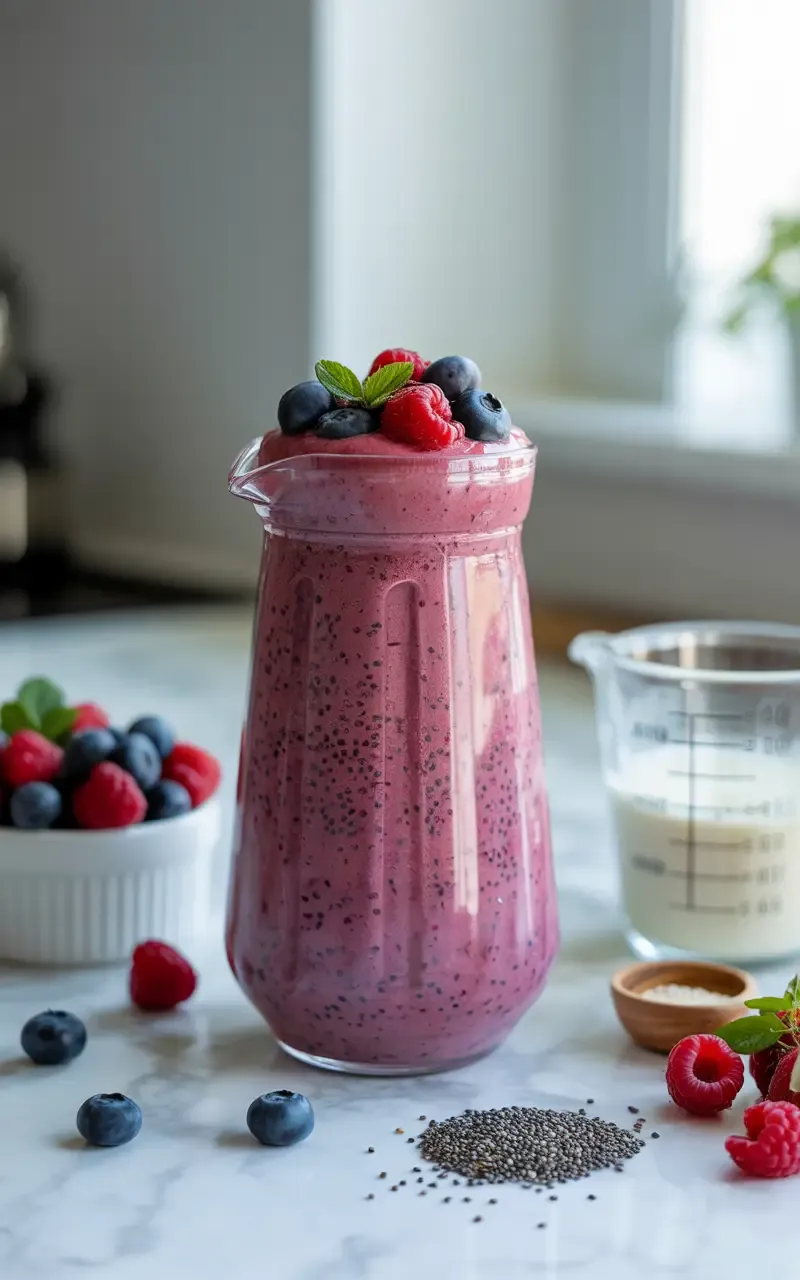
🥤 Berry Protein Smoothie
Balanced and filling
1 cup unsweetened almond milk
½ cup mixed berries
1 scoop protein powder
1 tablespoon chia seeds
Good for breakfast or a light dinner.
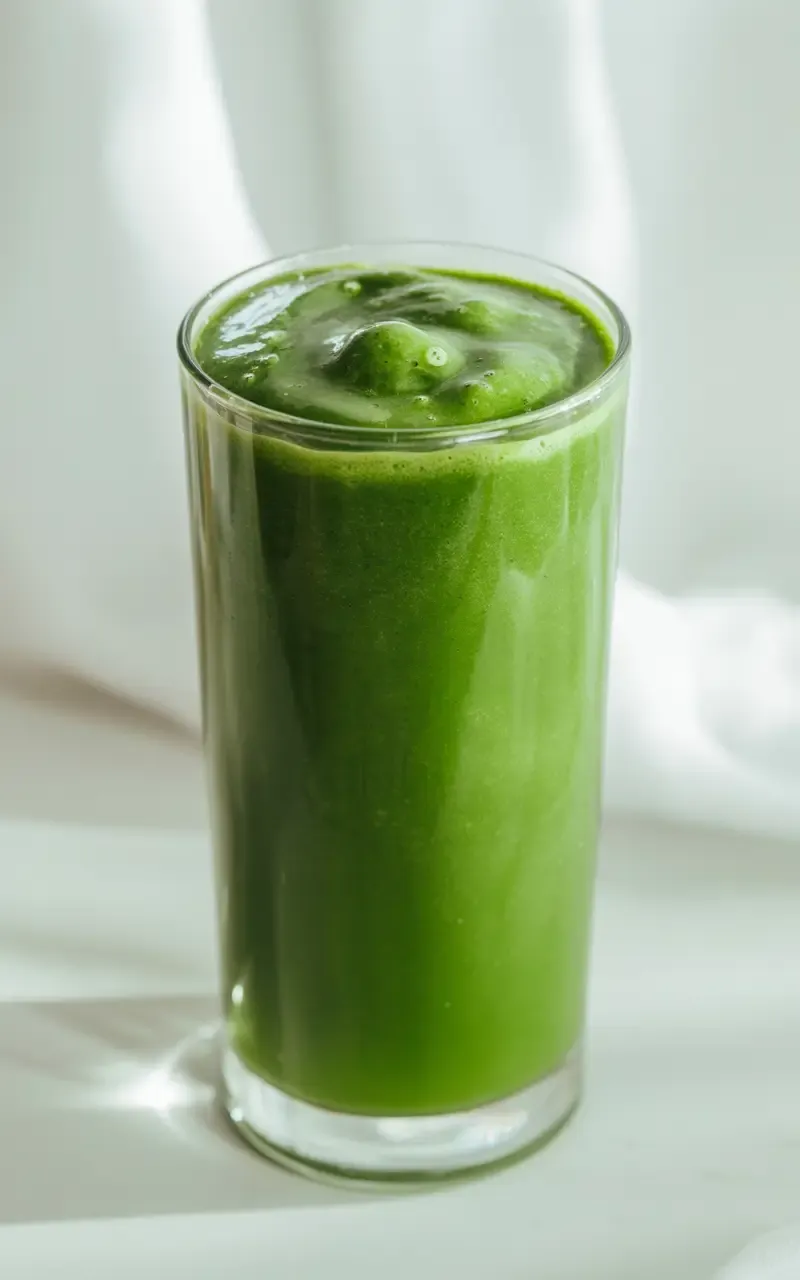
🥬 Green Filling Smoothie
Light but satisfying
1 cup almond milk
1 handful spinach
½ green apple
1 tablespoon nut butter
Helps reduce cravings and keeps energy steady.
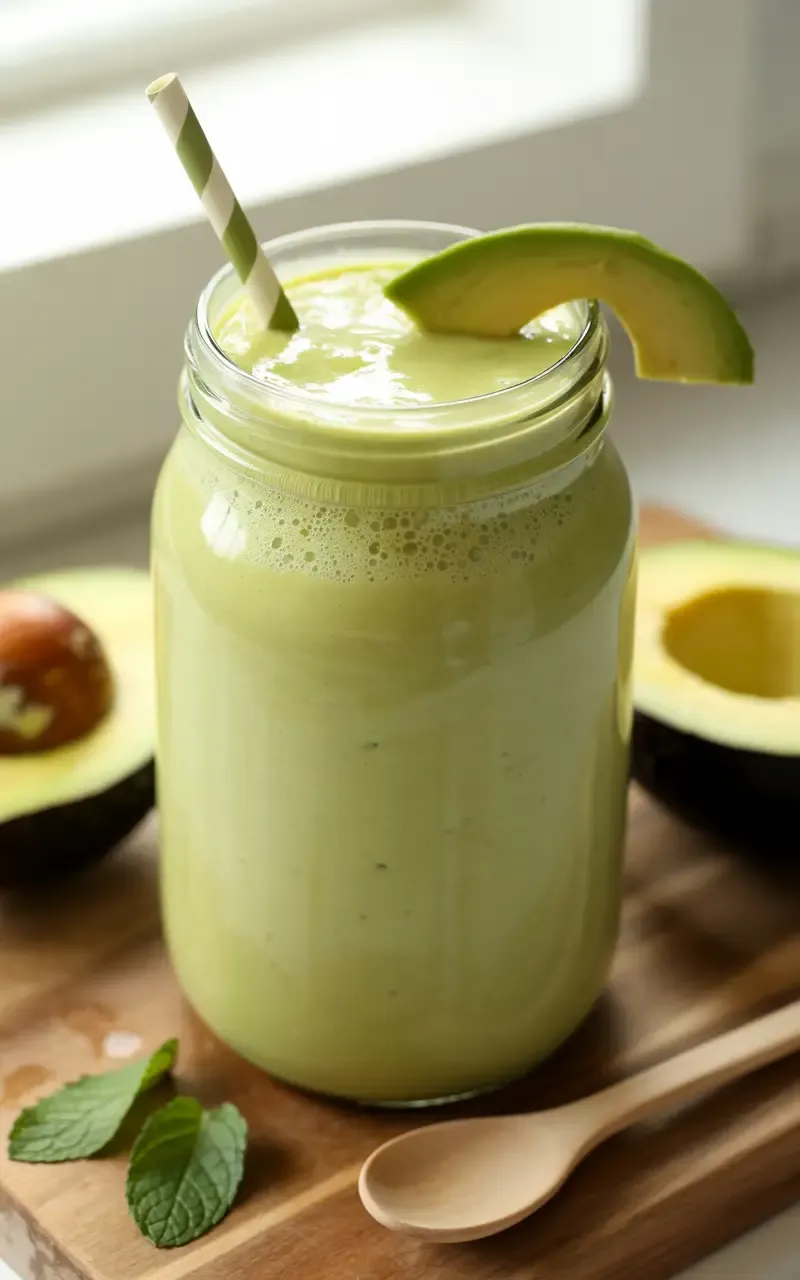
🥑 Creamy Avocado Smoothie
Low sugar and very filling
1 cup almond milk
½ avocado
1 scoop protein powder
Ice
Great if you prefer thicker smoothies.
When to Drink Weight Loss Smoothies
Smoothies work best when used strategically, not randomly.
Best times:
As a breakfast replacement
For a light evening meal
During busy days when cooking feels hard
Avoid drinking smoothies in addition to full meals.
Common Smoothie Mistakes to Avoid
❌ Using fruit juice as a base
❌ Adding honey, syrup, or sugar
❌ Skipping protein
❌ Making smoothies too small to be filling
If progress feels slow, one of these is often the reason.
Do You Need a Smoothie Plan?
Some people enjoy creating their own smoothies every day.
Others prefer having a clear plan to follow, especially at the beginning.
If you like structure, a smoothie-based plan can:
Remove guesswork
Help with consistency
Make weight loss easier to stick with
That’s why some people follow programs like The Smoothie Diet, which provides ready-made smoothie combinations and simple guidance for using smoothies as part of a weight-loss routine.
It’s not required — but it can be helpful if you prefer clear direction instead of figuring everything out yourself.
How to Use This Page
This post is your smoothie foundation.
Each topic builds on the same principles you learned here.
✅ Which Smoothie Works Best for YOU?
If your weight feels stuck, it’s usually because you’re using the right drink at the wrong time. Get the quick guide that shows what to drink in the morning vs night, plus the one “bedtime” drink most readers start with.
👉 Send Me the Best-Pick GuideFinal Thoughts
Weight loss smoothies don’t need to be extreme or complicated.
When they’re:
Balanced
Filling
Low in added sugar
They can be a simple habit that supports long-term results.
Start with the basics.
Keep it consistent.
Let small changes add up.
🥇 My #1 Pick (Based on How Most Readers Drink)
If you don’t want to overthink it, this is the option most SipFitly readers start with. It fits easily into daily meals and doesn’t require changing coffee or tea habits.

Nagano Tonic
Best for people who want a simple pre-meal drink that supports fat loss without changing what they already drink.
- ✔ Take before meals (30 seconds)
- ✔ Easy daily habit
- ✔ Most readers start here
*Details explained after the free drink guide.
Prefer Coffee or Tea Instead?


Written by: Sophie Matthews